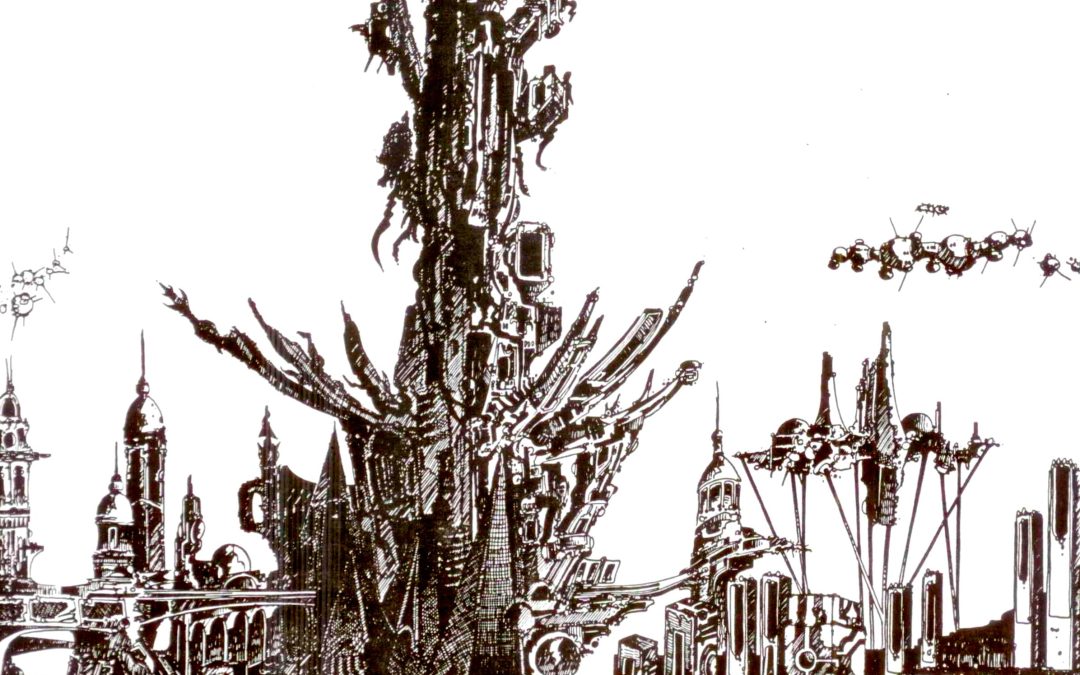
Ancient city
All I do is for beauty’s sake, surrealism, imaginary scenes and dreamlike compositions are a good place to bring people towards each other, yes?

All I do is for beauty’s sake, surrealism, imaginary scenes and dreamlike compositions are a good place to bring people towards each other, yes?
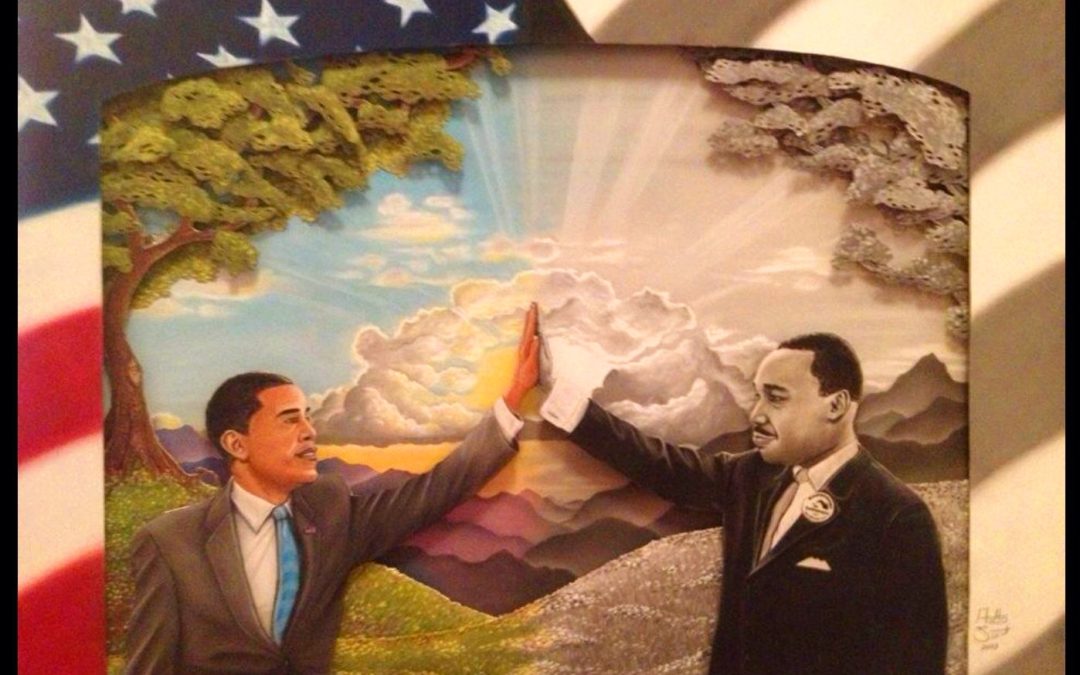
Medium: 3-Dimensional pastel and colored pencil, 2 ft x 3 ft
Concept:
This piece was created in honor of the first Black president — a moment in history that symbolized the realization of a dream many believed impossible. The artwork depicts two iconic figures reaching across time: one representing the dream, the other the realization. Their meeting — through a shared gesture of connection — symbolizes progress, hope, and the bridge between vision and reality.
Yet beneath that triumph lies a question: At what price?
The scene invites reflection on the state of our nation today — a nation that should have been unified in the spirit of equality and diversity, but instead finds itself divided by political and social turmoil.
Through light and shadow, color and texture, this piece explores both the beauty of achieved dreams and the complexity of the world that follows. It challenges viewers to consider whether the dream of true equality has been fulfilled — or merely deferred.
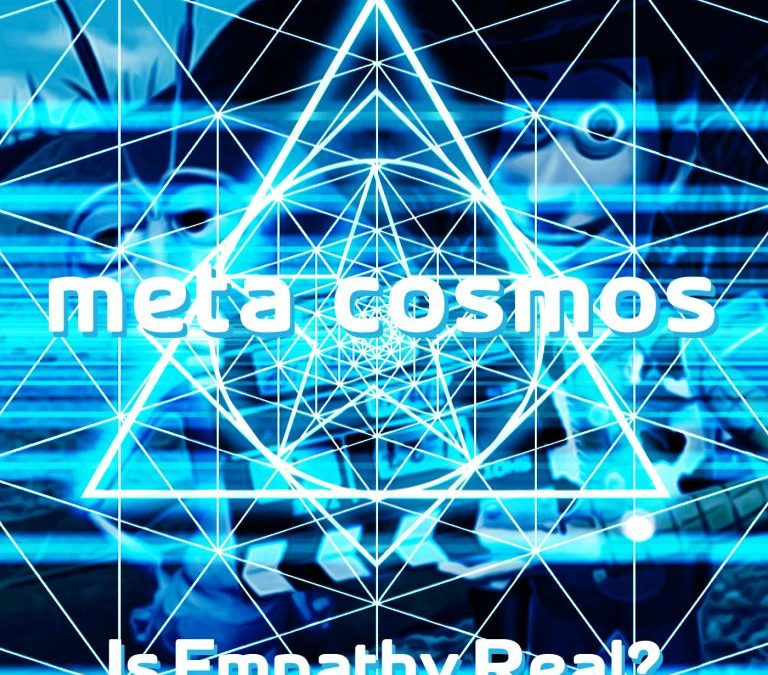
Meta-Cosmos is a podcast hosted by a pair of interdimensional beings who happen to be a pair of socks. Examining human existential crisis, they do what they can to offer a little perspective and help humanity reach our potential through an ongoing comedic conversation.
In this episode: After a rough week, Bartleby has to ask the question, “Is empathy real?”. He takes Artemus along for an examination of Pixar’s blooper reels and what they say about the human condition in light of not extending empathy to others. It’s a ride through empathy, sympathy, blind spots, and prejudice in an ironically sad yet inspiring episode of Meta-Cosmos.
Examining polarization through a lack of empathy, we highlight a path to depolarization through extending empathy to those outside of our in-groups.
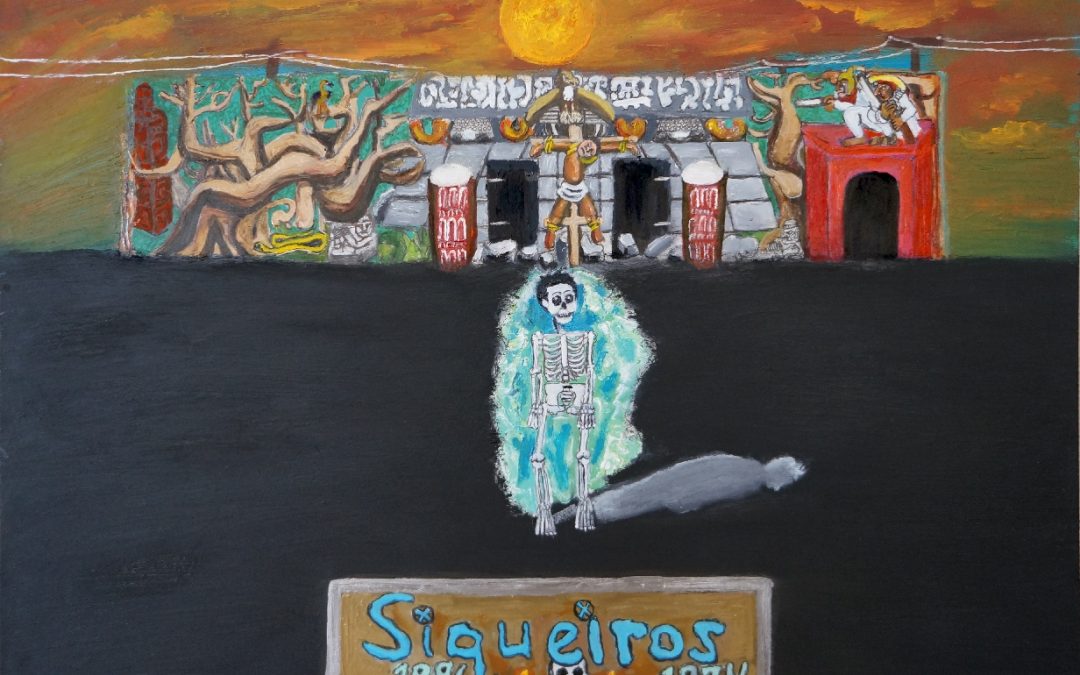
This is a good fit because it is a painting of famous muralist that came from Mexico name David Alfaro Siquieros. This was a mural that was created in 1932 and named “America Tropical” . It is important because it was the original mural in the streets of Los Angeles. David came here and taught a class and gathered some artists locally that helped him paint the mural. The theme of the mural was Tropical America and he painted pyramids and jungle animals and placed an American Eagle on top of the double cross. The night before unveiling the mural he painted a Zapatista and Peruvian soldier aiming there weapons at the Eagle. When it was unveiled the city was shocked and David was thrown out of America and the mural was white washed for years until it was restored recently. David Alfaro brought the invention of the mural and is considered the Godfather of murals. He also added a political twist to his mural which was the first time such a thing happened in Los Angeles. This has left a lasting influence on the city that is seen everywhere today.
https://www.laconservancy.org/learn/historic-places/america-tropical/
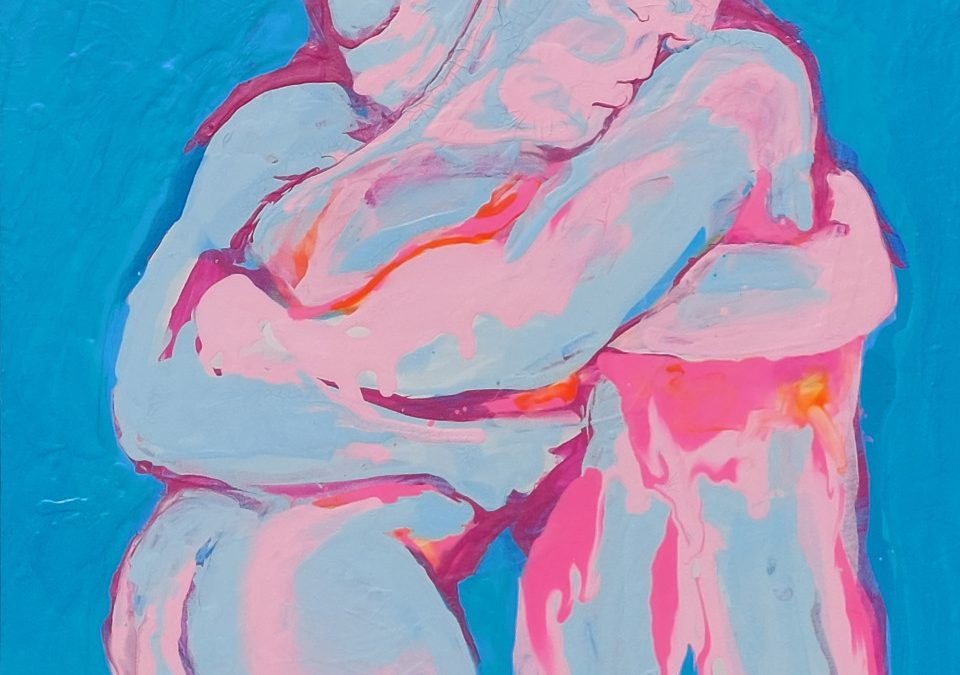
We need to repair our relationships by cultivating love and understanding. These people find comfort in a hug,