by Daniel Devine | Nov 21, 2025
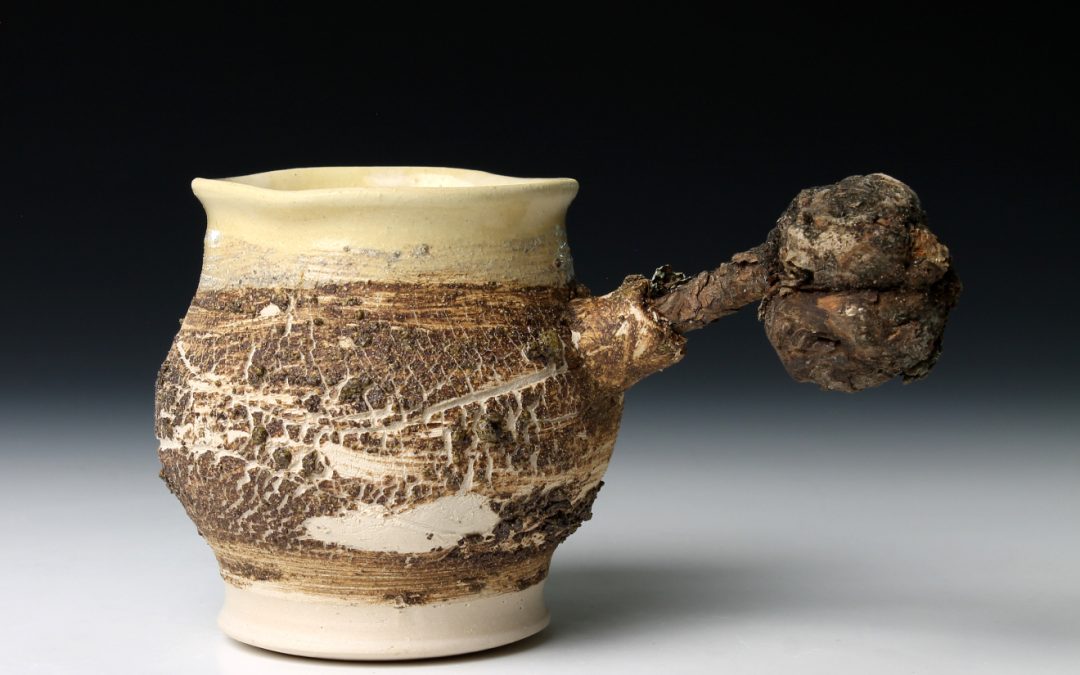
I believe the title might be enough of a reason. Here’s some more information why I make these “Fractured Healing”mugs: as an art teacher of 18years I look to help lift-up my students by fill their cups with my trust, encouragement and respect. While teaching I’ve noticed lot of hurt, frustration and brokenness. As an art educator, my mission is to foster an
approachable and inclusive classroom environment; one where all students feel welcome to explore and grow their creative abilities.
My wife have a heart for people who feel and/or are loss and have been mistreated (broken). We’ve open up our home to foster/adoptive/respite care over 10 years now. My mug series is titled “Fractured Healing” pay tribute to those who are loss/broken. We all have brokenness and are in need of healing in our lives. I’ve made these to be a reminder of that truth in your own life.
For these mugs, my vision was to use local, indigenous low-fire red clay. The local red clay I used as a slip over a white porcelain stoneware mix. I make a cracking texture as I expand to its form while throwing on the potters wheel.
I enjoy finding things in nature and like how nature shows us how healing works. My 5 boys and I find these burl knots on branches in our woods. Caused by injury, infection (bacteria, viruses, fungi), or stress, burls are like slow-growing tumors as it creates a bandaid to heal itself. By doing so it makes unique aesthetics: the deformed grain. I attach the burl as handles using PC-11. They are fully functional, hand washable and food safe. This item is glazed for function, making it safe for food and daily use. As a general rule of thumb, hand-made = hand-wash. Enjoy!
by Jean-Benoit Levy | Nov 21, 2025
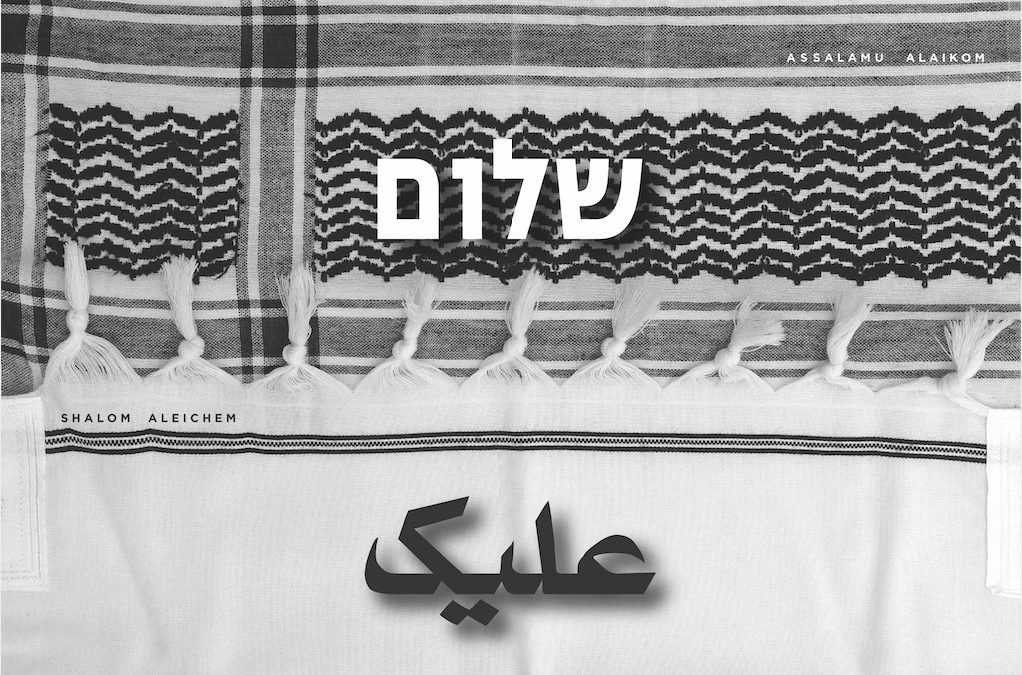
Friendship often holds by a single thread.
Inspired by the ancient art of spinning wool, this work weaves two shawls—symbols of neighboring communities once united by craft and faith, now divided by conflict. Yet within the fibers of their shared origin lies the strength to mend: a thread both fragile and enduring, carrying the possibility of peace reborn.
This piece echoes The Art of Repair by contemplating how what is torn might be rewoven — how understanding, like thread, can cross divides and bring warmth where there was once separation.
by Tanya Beyer | Nov 21, 2025
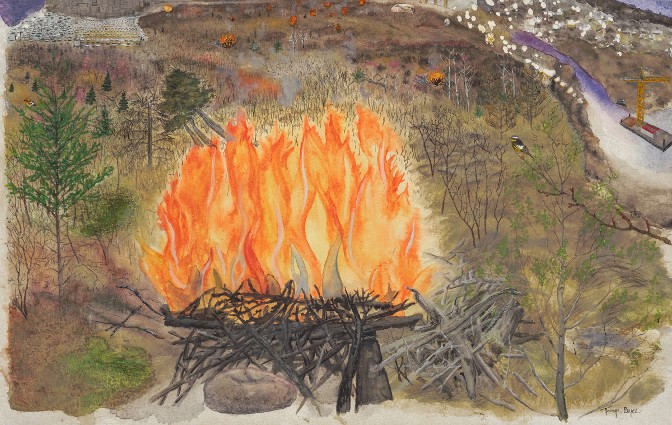
City and countryside juxtaposed, with the issue of urban sprawl in its encroachment on natural habitat in focus, prime for recognition. What are the limits to urban/suburban growth?
by Robyn Mallery | Nov 21, 2025
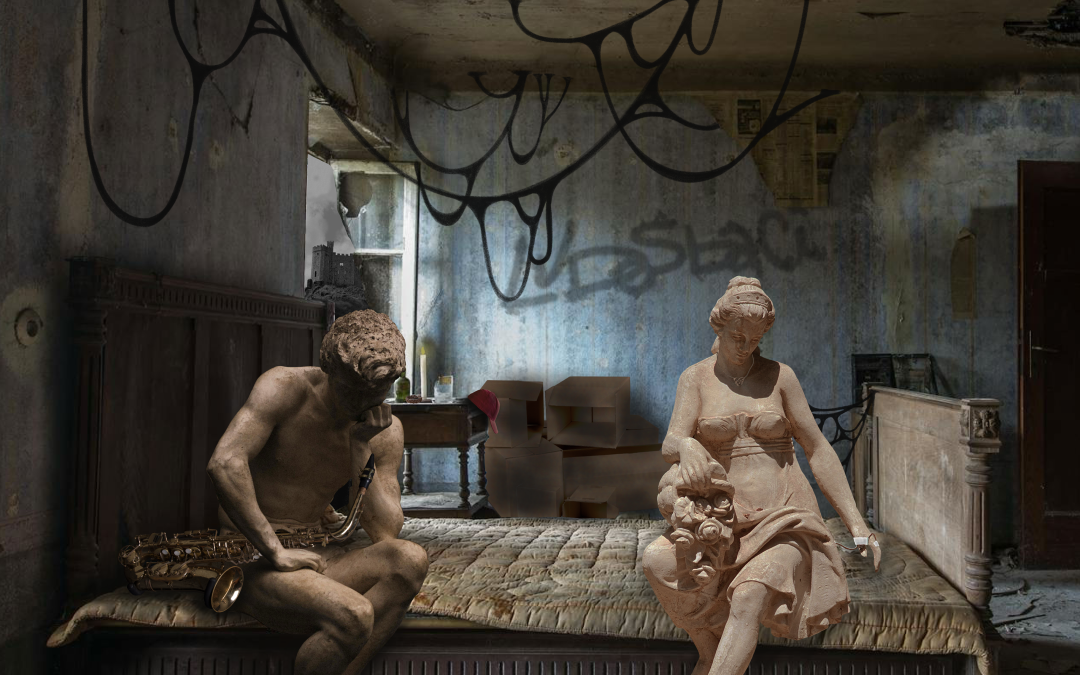
This work is quite personal, an unseen relic remnant of a relationship long gone. It is so important for us to keep an eye on the large-scale impacts of repair, but it is also important to take a moment to find ways to repair just one friendship. Just one family. Small-scale work is just as important.
Do you feel the space between? They’re only a few feet apart, but they’re miles and miles away.
by James Rossillo | Nov 21, 2025
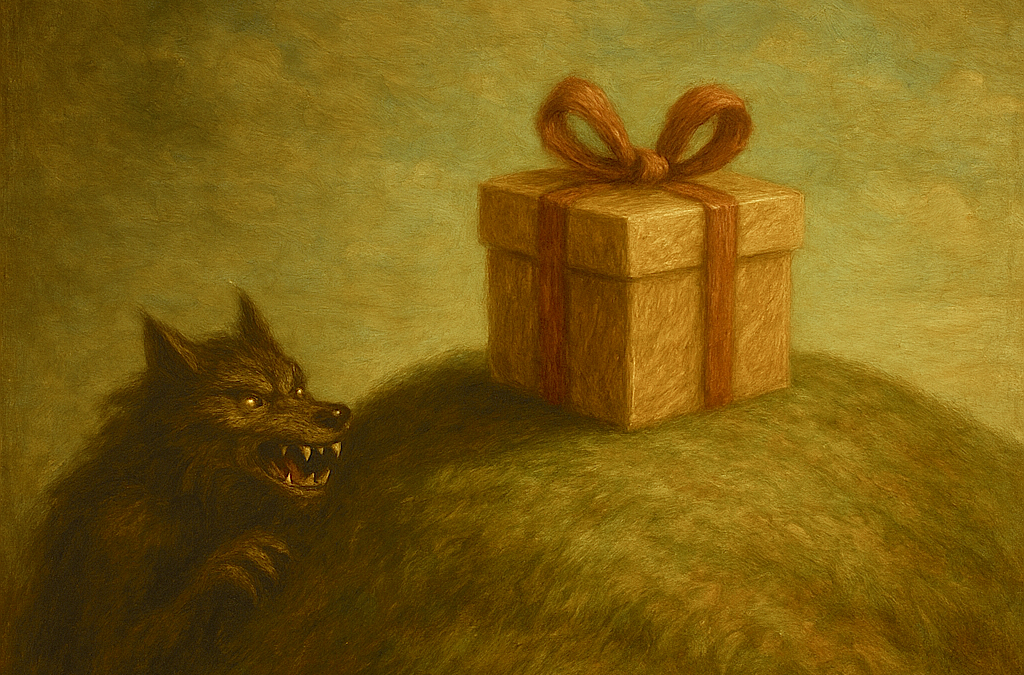
This piece is an excellent fit for the Art of Repair series based on how they intersect with the project’s core themes:
• Polarized Experiences:
The lyrics vividly depict feelings of alienation and emotional emptiness in a highly digital, interconnected world (“plastic faces on synthetic machines,” “connected by nothing”). This aligns with the first lens—art that “confronts fracture,” such as existential and institutional polarization. The contrast between superficial connections through social media and digital networks and profound isolation highlights a significant fracture in modern society.
• Tension and Transition:
The pre-chorus and chorus—”together alone, in the wires we bleed,” “reaching for hands we’ll never need”—highlight the conflicts and struggles of modern belonging. They express a deep longing and addiction to connection, paired with a sense of being unable to achieve genuine intimacy. This captures the in-between space: not fully polarized but not yet healed. References to “filters we can’t take off” and “worship every phantom” symbolize the disorientation and ongoing change at the heart of this perspective.
• Depolarized Visions:
Although these lyrics mainly address pain and despair (“we’re dying together, but no one will care”), they also promote sincere reflection. By admitting the hurt and emptiness, they open up opportunities for group discussion, empathy, and ultimately, envisioning recovery. The song serves as a prompt to identify and express wounds, the initial step toward healing.
• Invitation to Reflect and Discuss:
The Art of Repair series aims to use art to spark discussions on division, technology’s impact, and the importance of connection. Your contribution offers clear entry points for these conversations: salons might explore questions such as, “How can we mend the emotional scars caused by digital life?” or “What defines genuine connection in a fractured world?”