by Cassandra Tondro | Dec 7, 2025
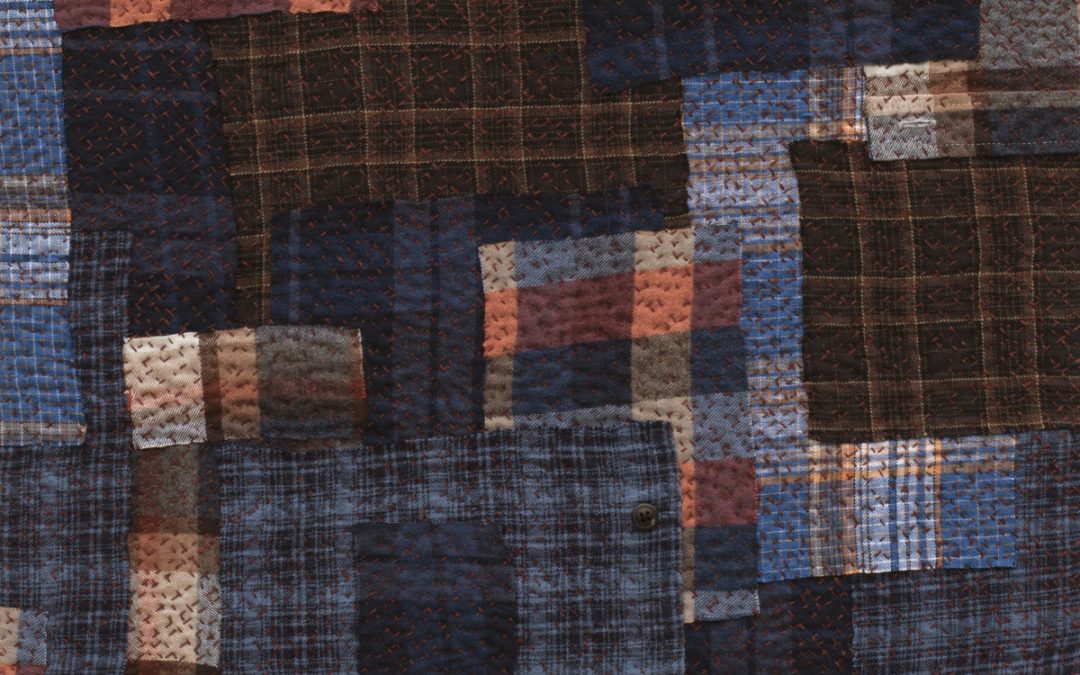
Inspired by Japanese Boro textiles, this piece is made from upcycled worn flannel shirts and is held together with extensive stitching. Patchwork is used as a metaphor for mending the disparate and broken pieces of ourselves and the world. The heartbreak, the grief, the sadness, the despair. All of it needs tending to and is in desperate need of repair.
by Hooman Khalili | Dec 7, 2025
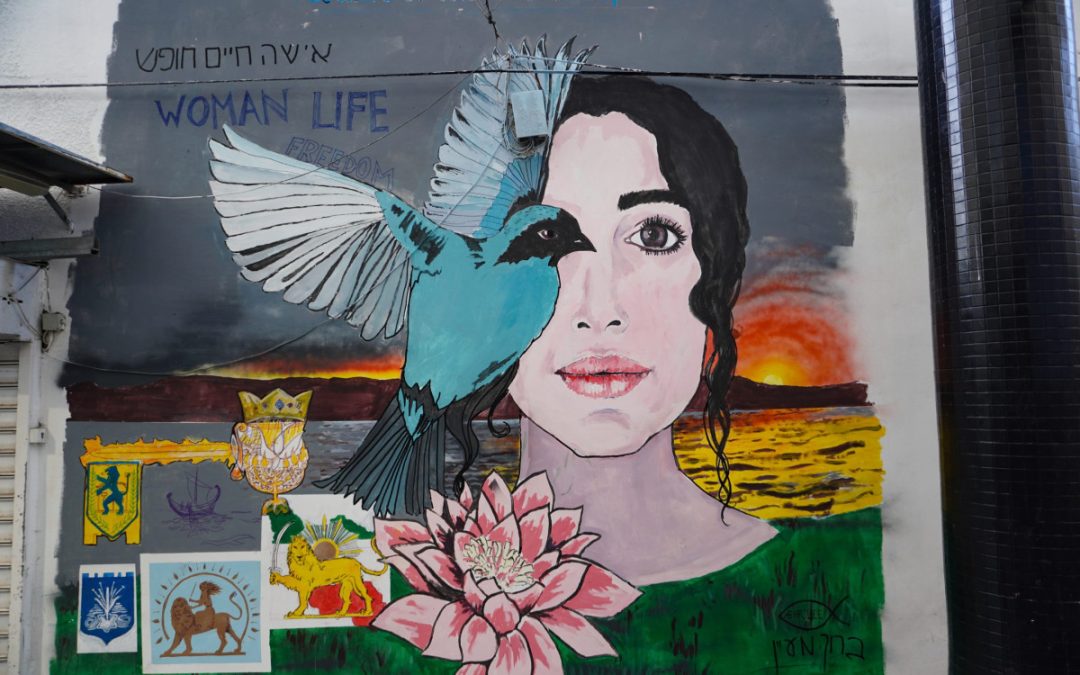
This mural, painted in Netanya, Israel, honors Nilofar, an Iranian woman whose eye was shot out by the Islamic Regime — one of many women targeted simply for showing her hair. In Iran, blinding women has become a grotesque method of control: to extinguish their vision, to shame them into silence. But Nilofar refused to hide. In this piece, the Nightingale of Iran — the country’s national bird and its ancient symbol of freedom — covers her wounded eye, transforming her pain into poetry. The bird shields her scar and sings for her, a testament that even in the face of brutality, the human spirit still soars.
This mural is The Art of Repair made visible: an act of healing through beauty and defiance. By transforming violence into vision, it restores Nilofar’s dignity and tells the world that she is not broken — she is reborn. Painted in Israel, it becomes a bridge between two peoples who know the cost of survival yet continue to believe in light after devastation. The lotus blooming beneath her represents resurrection, the triumph of the soul over suffering. This is not merely art; it is a visual psalm — a prayer that compassion will triumph where cruelty once ruled.
Why this work moved me personally
When I first learned Nilofar’s story, I could not look away. She had lost her eye — yet in every photograph, she was still smiling. That smile haunted me. It wasn’t denial; it was defiance. It was the look of someone who refused to let the darkness win. I knew I had to paint her exactly as she was — not as a victim, but as a woman radiant with courage.
As I brushed her features onto the wall in Netanya, I realized I was painting the face of hope itself. The same regime that tried to silence her had only amplified her voice. Every stroke of color felt like an act of resistance, every symbol — from the Nightingale to the lotus — a vow to never let her story fade.
Nilofar’s fearless smile in the face of unbearable cruelty reminded me why I create: to repair what the world breaks. She stands as proof that beauty can rise from ashes, that faith can still bloom in exile, and that art can carry a wounded truth across borders and awaken the hearts of those who still believe in freedom.
by Philip Witte | Dec 7, 2025
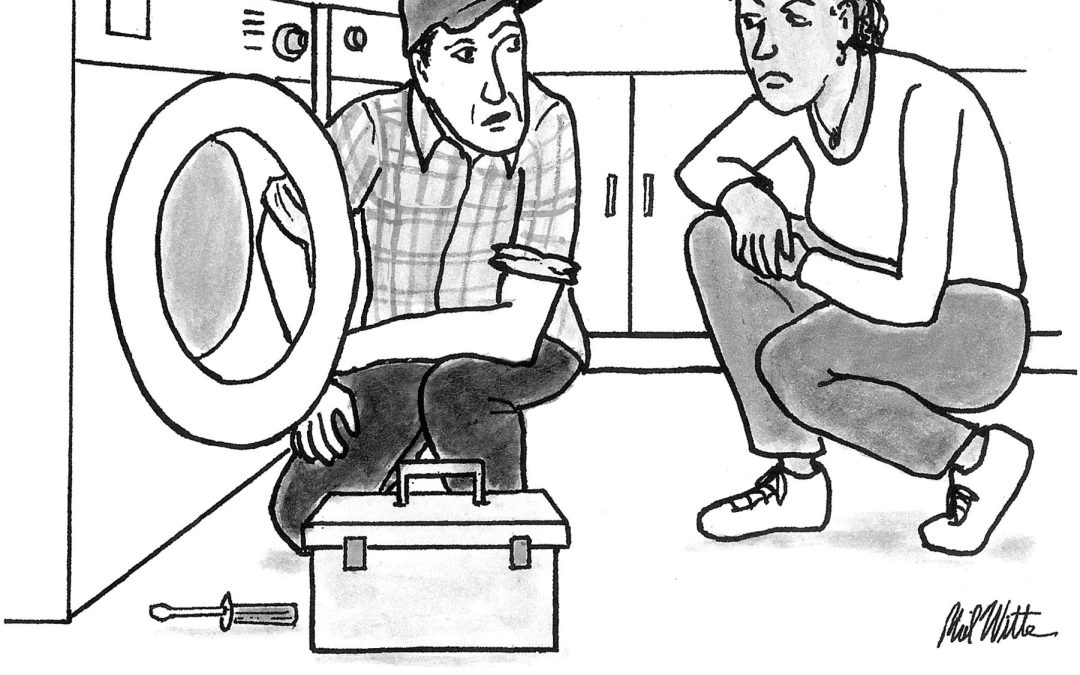
Social media has done a lot of harm to society by allowing irresponsible people to take extreme positions, which social media rewards. If people stepped back from social media, they would feel less agitated by current events.
by JohnDavid Whalen | Dec 7, 2025
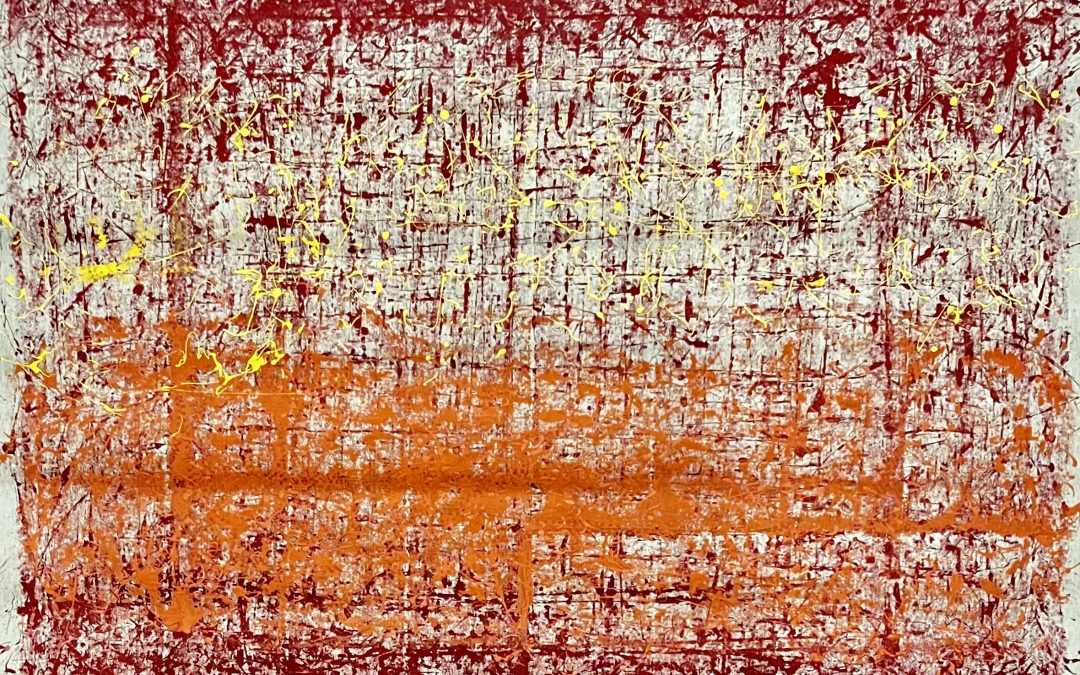
Organized Chaos is 1st in a series of twelve pieces that illustrate what AI is, what is can help, how it can hurt, and what our world could look like if we choose to cooperate or to conflict. The works are created in a collaboration between myself and a self-modified algorithmic robot painter to show the order in chaos, and the emotional connection we can share with the nature of machination.
Organized Chaos is a commentary the power of perspective. From a distance, the work looks like chaos, yet the closer you inspect it you can see the straight, parallel lines and circles.
by Golareh Safarian | Dec 7, 2025
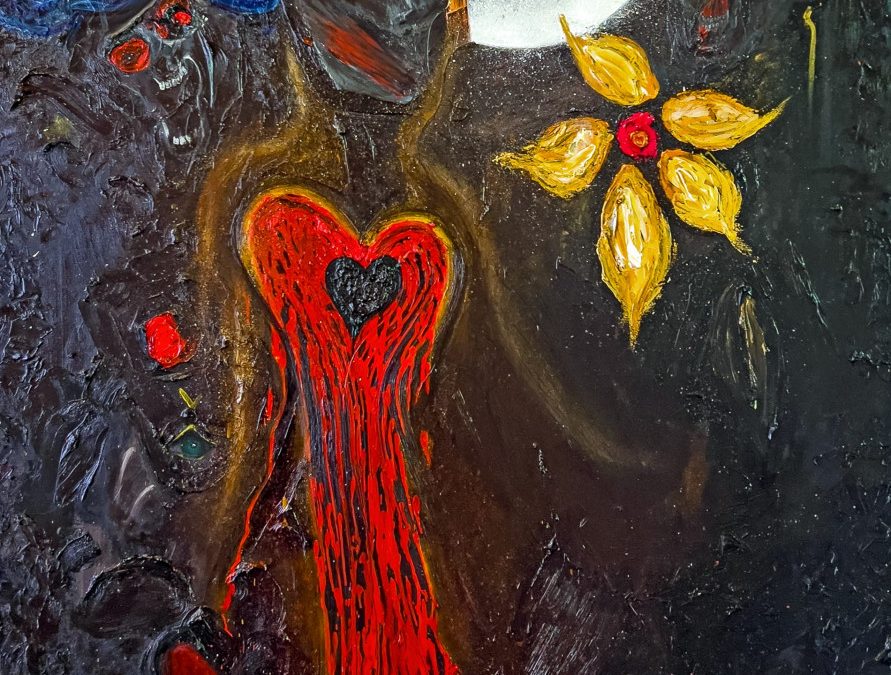
While my painting “Protest” studies the human experience at a societal level, “Haunted Hopeful” turns inward, exploring the individual experience. Before any depolarization strategy can succeed, the mental health, state of mind, and self-awareness of individuals must align with the desire for collective healing.
To understand polarization, we must first ask what drives individuals to take sides. Often, it stems from personal experiences and genuine discontent with the status quo. For some, this discontent is tied to political identity, beliefs that may be inherited from previous generations. For others, it emerges from religious identity, values reinforced by faith or community. For many, it is also tied to racial identity, shaped by physical characteristics, historical and ancestral experiences, and systemic limitations imposed by governments and societies that continue to influence how we see ourselves and others. But beneath all of these affiliations lies the question of personal identity.
Who are you when you’re alone with yourself? What motivates you? What pains you? What do you love, or fight for, or overlook? How much empathy do you extend to others? Is your empathy universal, or selective toward those who align with your political, religious, racial, or other external identities? And what kind of world do you hope to leave behind?
These questions must be answered on an individual level before true societal repair can begin. “Haunted Hopeful” is an inquiry into that self-awareness, an attempt to understand identity amid constant influence and inner noise. The undefined face of the central figure reflects an identity in flux, shaped by the whispering forces around it. The skeletal forms behind her represent those external influences, their sharper definition suggesting how vividly they imprint upon the psyche.
Only when we recognize and acknowledge these forces can we begin to shed what separates us and move toward what unites us. Understanding how our personal identities are framed and formed is the first step toward depolarization.