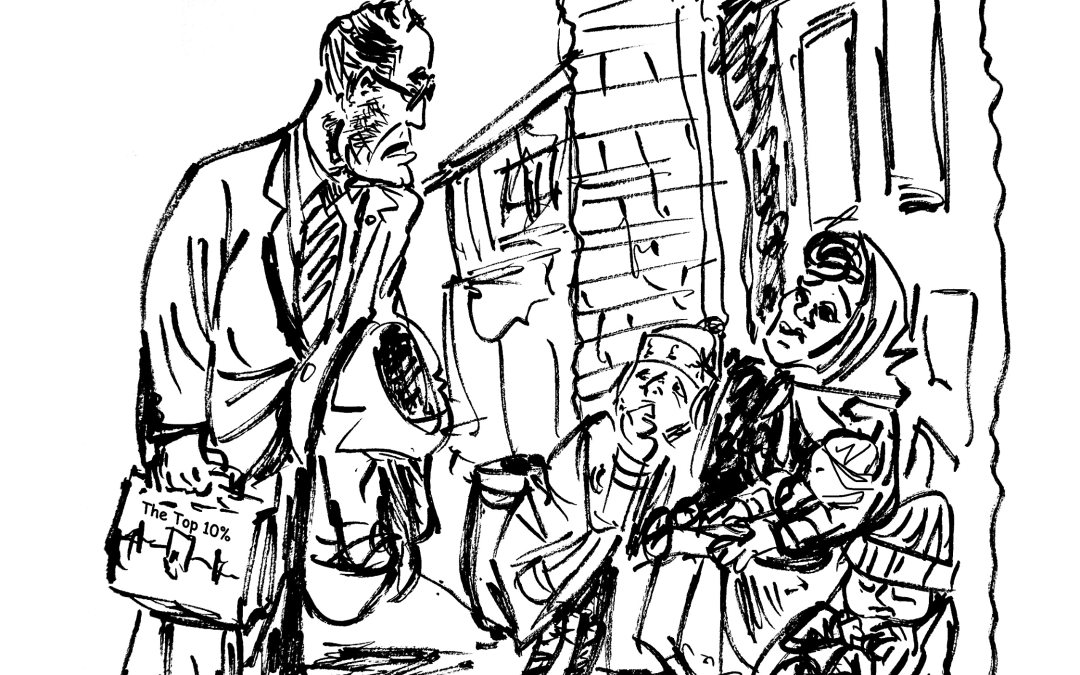
Inequality is your responibility
Confronts fracture: political, familial, institutional, or existential.
Confronts fracture: political, familial, institutional, or existential.
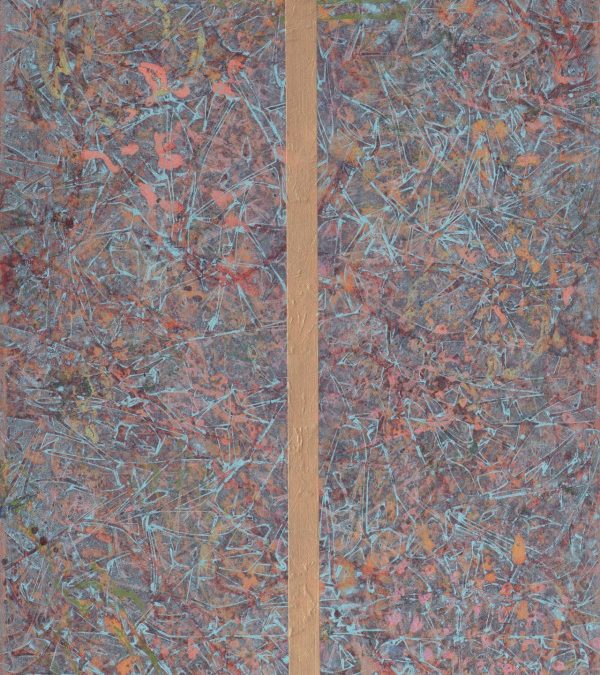
This painting is from my “Minimalist” series of work. As a planet and a people, we are in the midst of tumultuous times and a period of rapid change. These quiet minimalist paintings are an offering to calm, balance and soothe a troubled world. They pare things down to the bare essentials, finding a new level of peace and harmony.
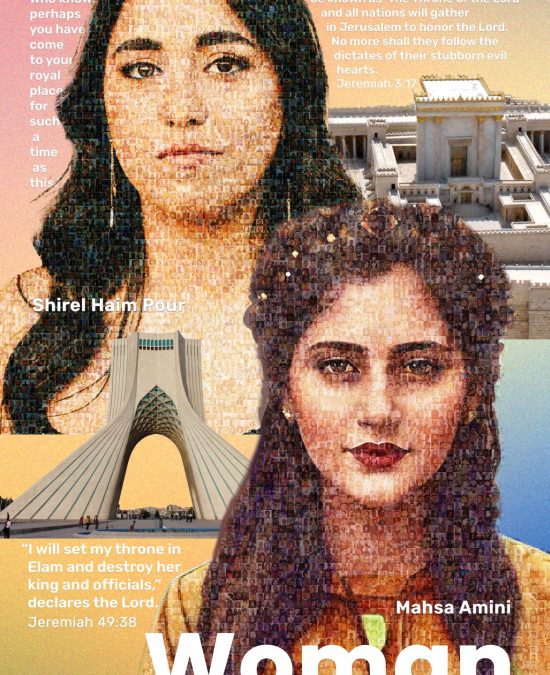
This mural, unveiled in Washington, D.C., stands as a bridge between two peoples and two struggles — the Jewish people and the Iranian people — both bound by a longing for freedom and dignity. It features Mahsa Amini, whose death in Iranian custody sparked the Woman Life Freedom revolution, alongside Shirel Haim Pour, a young Persian-Israeli woman murdered by Hamas. Their portraits, composed of thousands of faces of women around the world, form a living mosaic of shared courage and sorrow.
Today, Persian women are being hunted not only in Iran but across Europe — in Sweden, Germany, and the United Kingdom — wherever the reach of the Islamic Regime extends. The killing of a Persian woman on Israeli soil made that global persecution heartbreakingly real. This mural gives voice to those silenced women, reclaiming their humanity and naming their suffering before the world.
The work embodies The Art of Repair by transforming collective trauma into an act of visual reconciliation. It joins two ancient nations — Persia and Israel — through shared prophetic imagery and sacred text, reminding us that healing begins when we choose empathy over ideology. Its unveiling in the heart of Washington brought Iranians, Israelis, and Americans together in an extraordinary moment of unity — a public act of repair in a world so often divided by faith and politics.
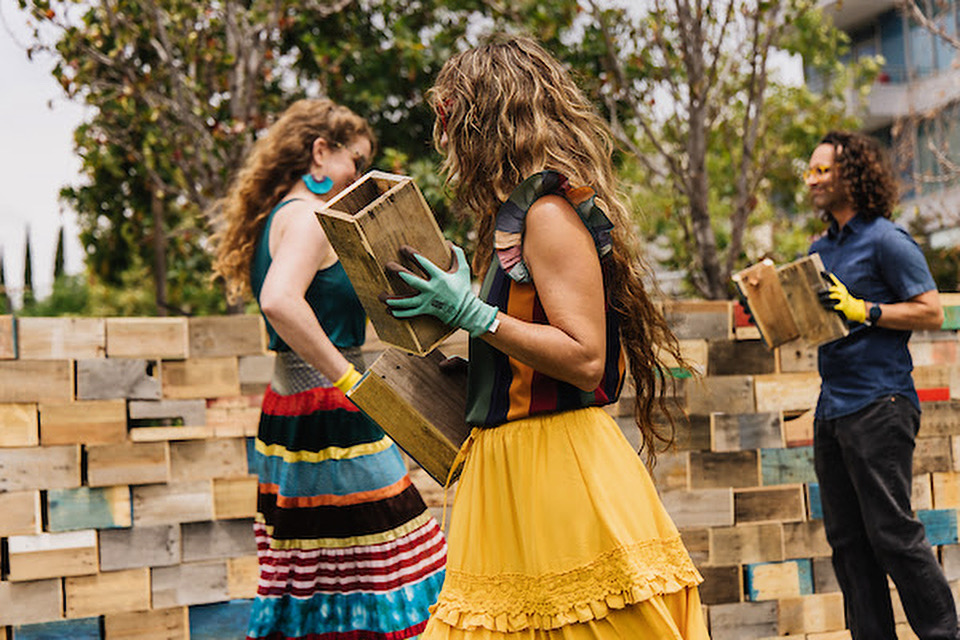
Walk the Wall was a performative, sculptural, installation that took place in 3 different city parks as part of San Diego’s Park Social initiative. I made 400 wooden boxes from shipping pallets collected throughout the county. The performance consisted of dancers building and unbuilding the wall while dancing to salsa music. In a cheerful, optimistic, slightly dark way this piece speaks to the very mutable character of borders, walls and the “ownership” of space. It’s an intervention that creates a space of invitation and collaboration. The wall becomes a point of mobility and playfulness that shapes space and brings people together in celebration of our uniqueness and similarities.
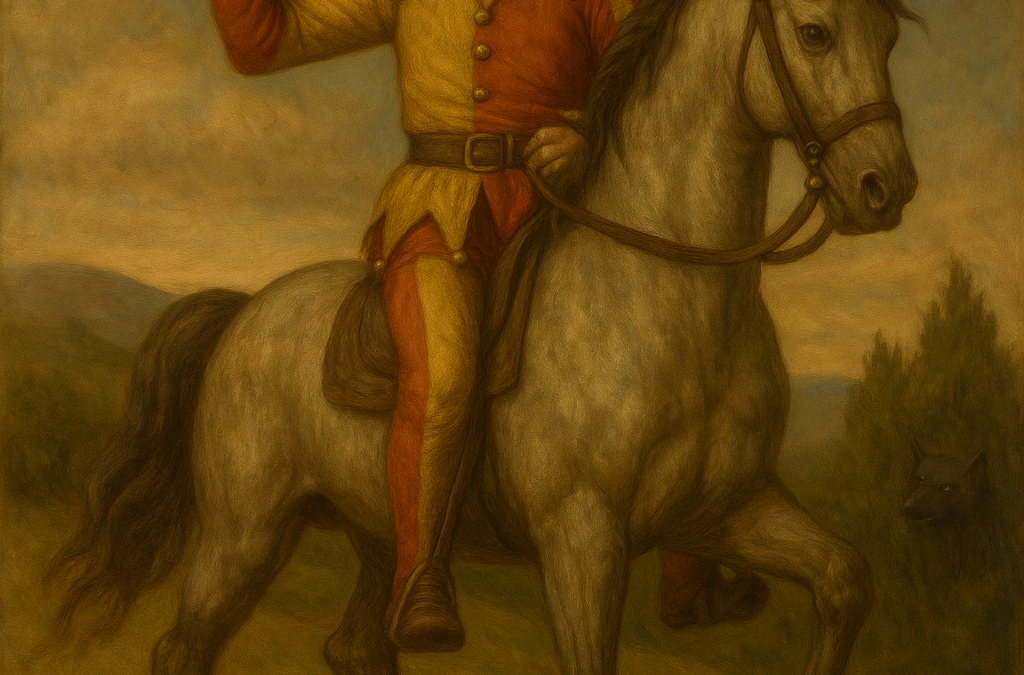
This song is a strong fit for the Art of Repair series for several reasons:
• Polarized Experiences:
The verses and chorus delve into themes of fracture and division, using imagery such as “rusted thrones,” “breaking bones,” and “golden lies.” They express anger towards manipulation, hierarchy, and silenced voices. This fits with the primary theme: art that confronts political, institutional, or existential rifts and highlights anger and ideological divides.
• Tension and Transition:
The song conveys themes of unrest and defiance, using phrases like “mutiny,” “refused to accept,” and “curse your name” to highlight resistance and breaking free from control. Imagery such as “riding on rage” and walking “through fire” depicts the challenge of managing inner tension, aligning with themes of transformation, reaching a goal, and confrontation. The recurring phrase “we ride” and the chant-like bridge represent collective efforts to move beyond polarization.
• Depolarized Visions:
Although the tone remains defiant, the lyrics imply a chance for new beginnings and envision a world free from “kings,” “chains,” or fear. The line “we build the world you soon will fear” demonstrates agency and a reclaiming of power, emphasizing progress toward dignity and self-determination. This also ties into themes of community renewal and healing.
• Invitation to Reflection:
The series promotes reflection, discussion, and engagement with issues of division and repair. These lyrics can act as a foundation for meaningful dialogue—prompting participants to explore their feelings about authority, protest, the toll of polarization, and ideas for change.