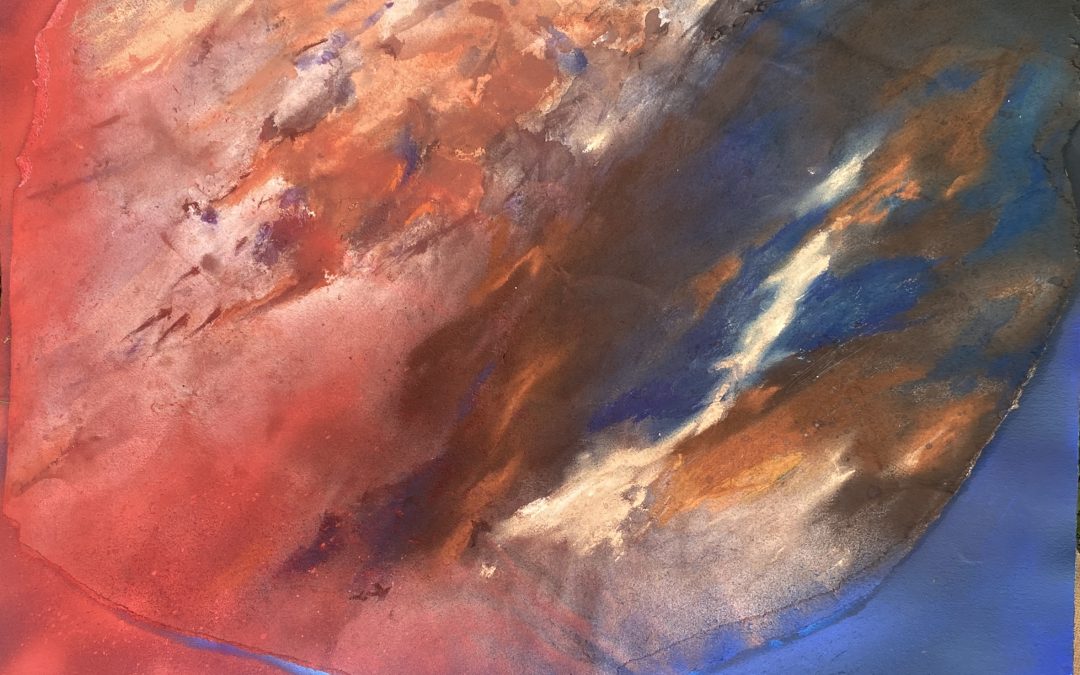
Opulence of Unity
Showing the richness of red & blue in harmony
Showing the richness of red & blue in harmony
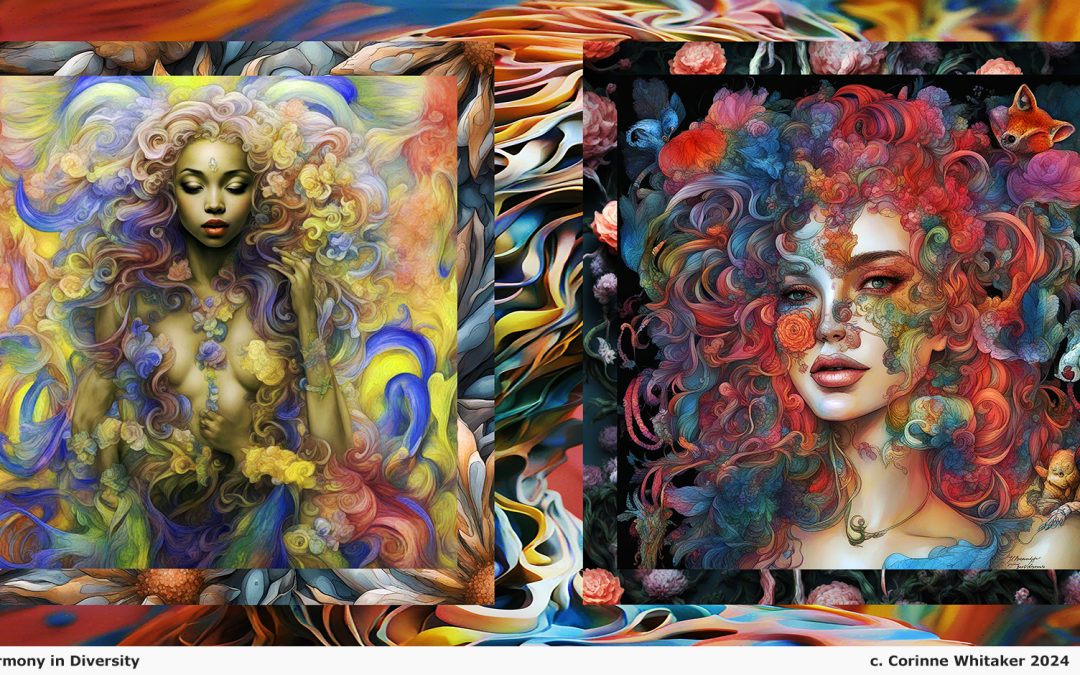
We have differences but we are one. We make choices but we respect otherness. Together we are stronger.
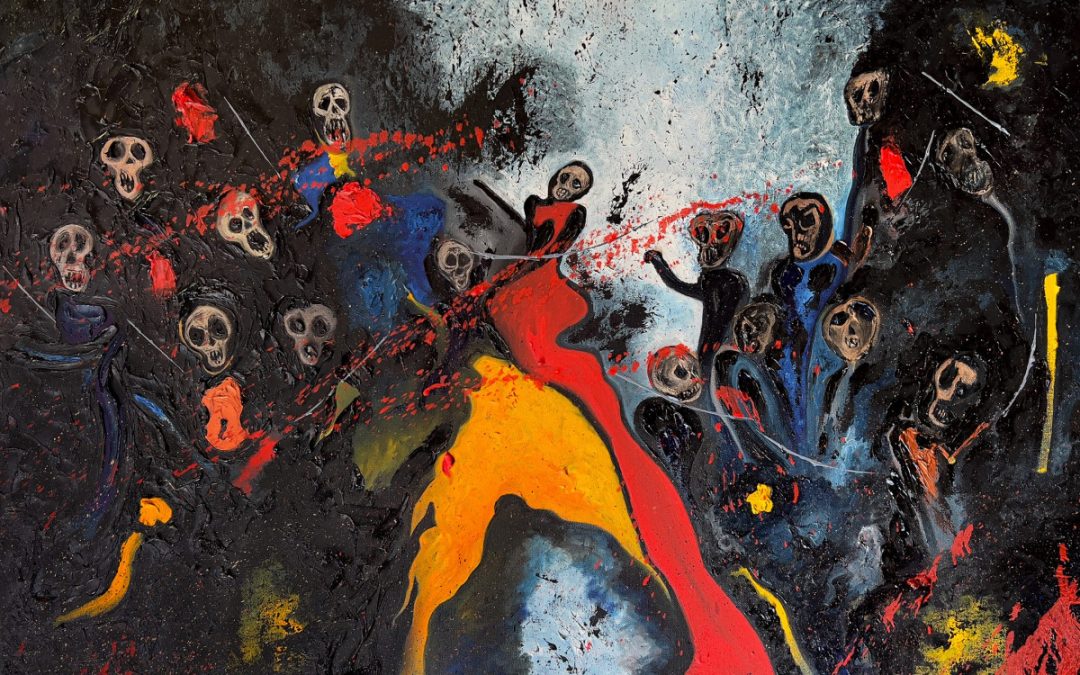
What drives a society to rise up in protest? Is it oppression? Hunger? The fear of not being able to provide for one’s family? Anger at being silenced or left behind? Perhaps it’s the quiet ache of being unseen.
Protests are born from fracture, yet they can also be healing, bringing people together to amplify voices into a chorus of shared courage.
In polarized societies, protest becomes a paradox: both a bridge and a breaking point. It unites and divides in the same breath. And so we are left to ask, “Are protests truly effective in bringing about change? And if they are, do those changes actually improve the status quo? Or do protests simply reveal how deep our divisions run, without offering a way forward?”
“Protest” is a 30″ x 40″ oil on canvas painting that reflects the moment when collective unrest reaches its breaking point, where courage and consequence coexist. The skull-like faces are mirrors of our shared humanity, stripped bare by conflict and conviction.
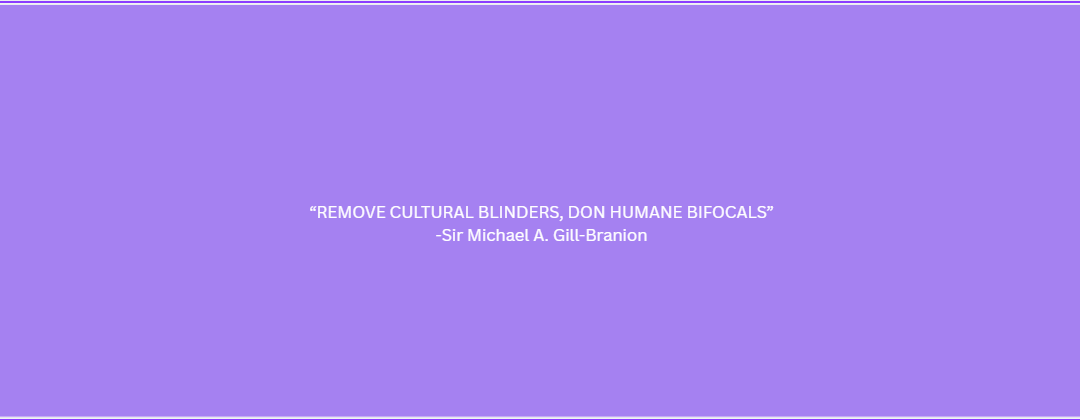
I am assuming I was invited to your organization because of my 1999 copywritten 6-Word Poem, “Remove Cultural Blinders, Don Humane Bifocals,” that was posted at my online Sci-Fi Your Fantasy Blog on 28 AUGUST 2011. The post included a picture of a KKK member playing chess with a Black Male. I’ve included the link to the post from years ago. The google search engine and others note the written work as such:
[Gill-Branion: Refers to Sir Michael Gill-Branion, an author and expert in public policy and planning with experience in border issues and community development.
The phrase “remove cultural blinders, don humane bifocals” is a quote attributed to the American writer Michael Gill-Branion.
The quote essentially calls for a shift in perspective:
Remove cultural blinders: This suggests letting go of the biases, assumptions, and limited viewpoints that one’s own cultural background might impose, which can restrict understanding of others and the wider world.
Don humane bifocals: This metaphor encourages adopting a dual perspective (like bifocals) that prioritizes humanity and compassion. It means viewing situations and people through a lens of empathy, understanding, and shared human values, rather than through prejudiced cultural filters.
In summary, the statement advocates for a more inclusive, empathetic, and globally conscious way of seeing the world and interacting with others. The entire phrase, therefore, is likely a personal philosophy or directive urging individuals to approach complex issues, particularly those involving diverse communities and global interactions, with an open mind and a compassionate, multi-faceted viewpoint. Ultimately, it calls for a compassionate outlook that transcends cultural boundaries, fostering dialogue and cooperation across diverse communities.]
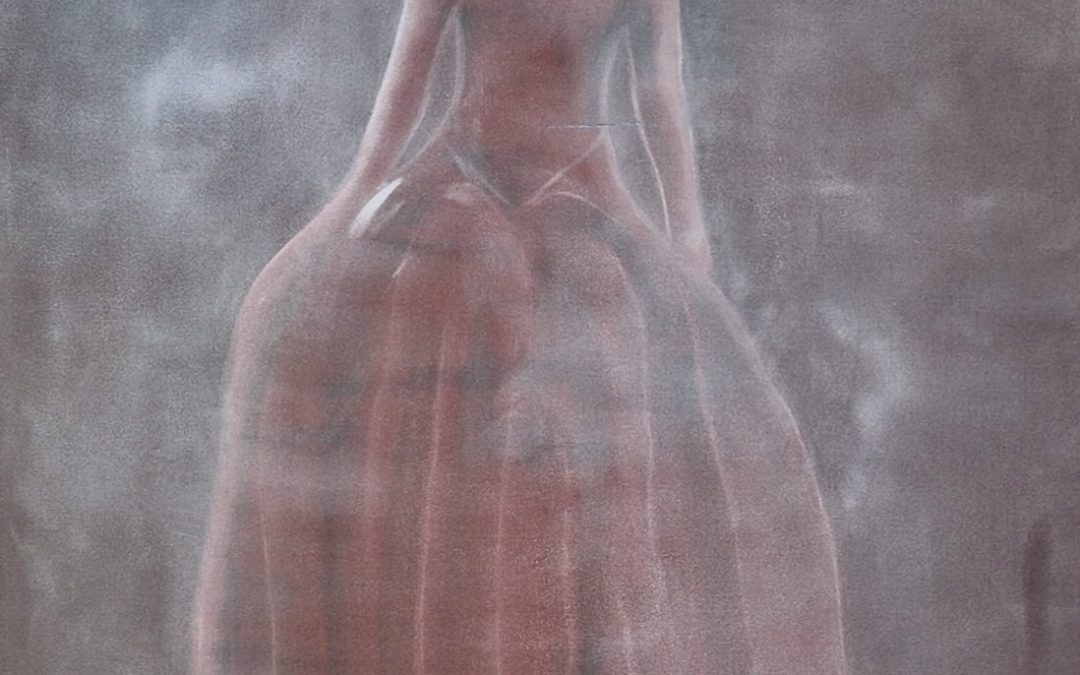
This work reflects the quiet, unrelenting gaze of society as we move through it. The central figure—originally drawn from the form of a male ballet dancer and re-imagined as a woman—anchors a series in which the same body will shift between genders and races. By allowing the figure to continually transform, the project becomes a meditation on visibility, identity, and the inequities woven into how we are seen. It stands as a subtle but unwavering call for diversity, equity, and the dignity of every body on the stage of public life.