by Gareth Walsh | Dec 7, 2025
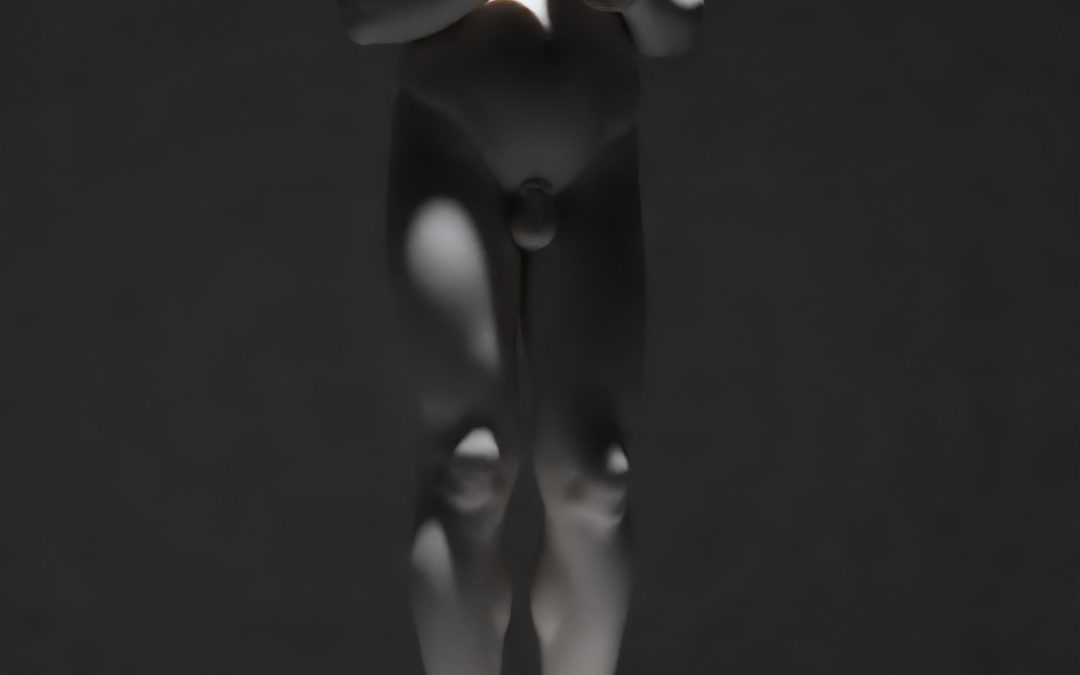
We live in a time of unprecedented connection through technology, yet many feel increasingly isolated. First Love explores this paradox by examining the addictive nature of smartphones and how they reshape our capacity for human connection.
The boy absorbed in his smartphone reveals the deliberate design behind our devices. Platforms like Instagram and TikTok engineer addictive features through infinite scrolling, algorithmic feeds, and dopamine-driven notifications. What we’re constantly seeing on these platforms—curated highlight reels, divisive content, endless comparisons—shapes our thoughts, emotions, and worldview in ways that often increase isolation and division.
This connects to the Art of Repair because smartphone addiction affects our ability to bridge divides. When devices capture our attention during formative years, young people have fewer opportunities to develop crucial skills for connection—navigating disagreement, reading emotions, building community. The content we consume shapes not just what we think, but how we relate to others.
The title “First Love” speaks to how smartphones become objects of compulsive attachment. The work opens conversation about the costs: What happens when the images and narratives we consume through addiction replace genuine connection? How do we break patterns that isolate us from each other?
By making visible what we’ve normalized, First Love invites us to see clearly and think differently. It creates space to imagine healthier relationships with technology—ones that support rather than replace human connection.
by Christopher Beau | Dec 7, 2025
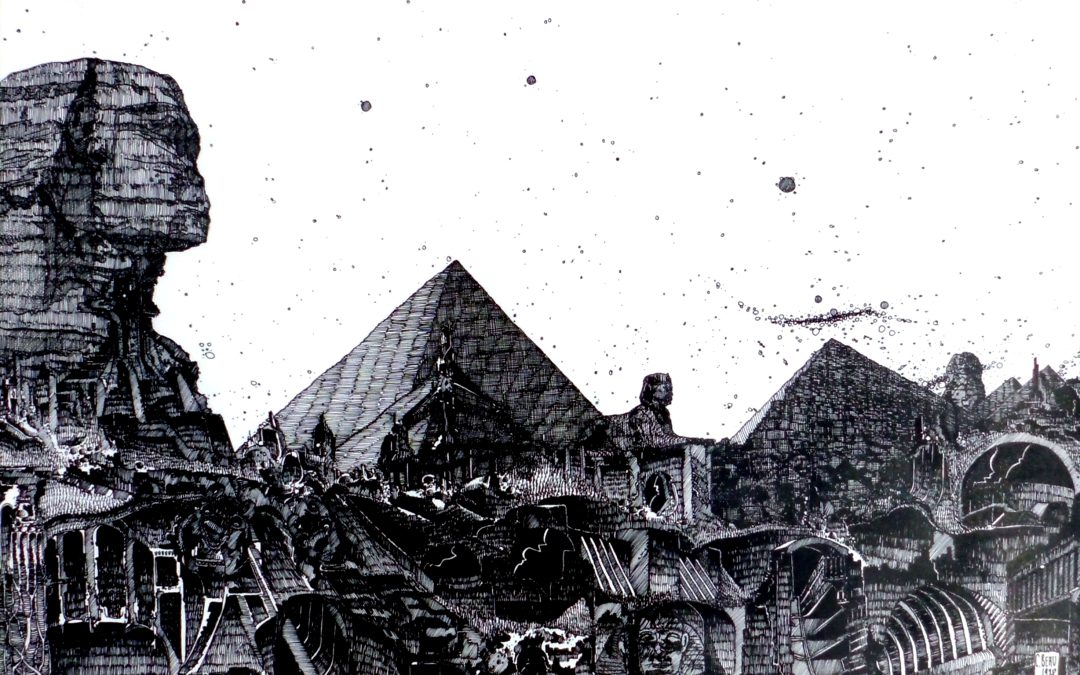
All I do is for beauty’s sake, surrealism, imaginary scenes and dreamlike compositions are a good place to bring people towards each other, yes?
by Chip Miller | Dec 7, 2025
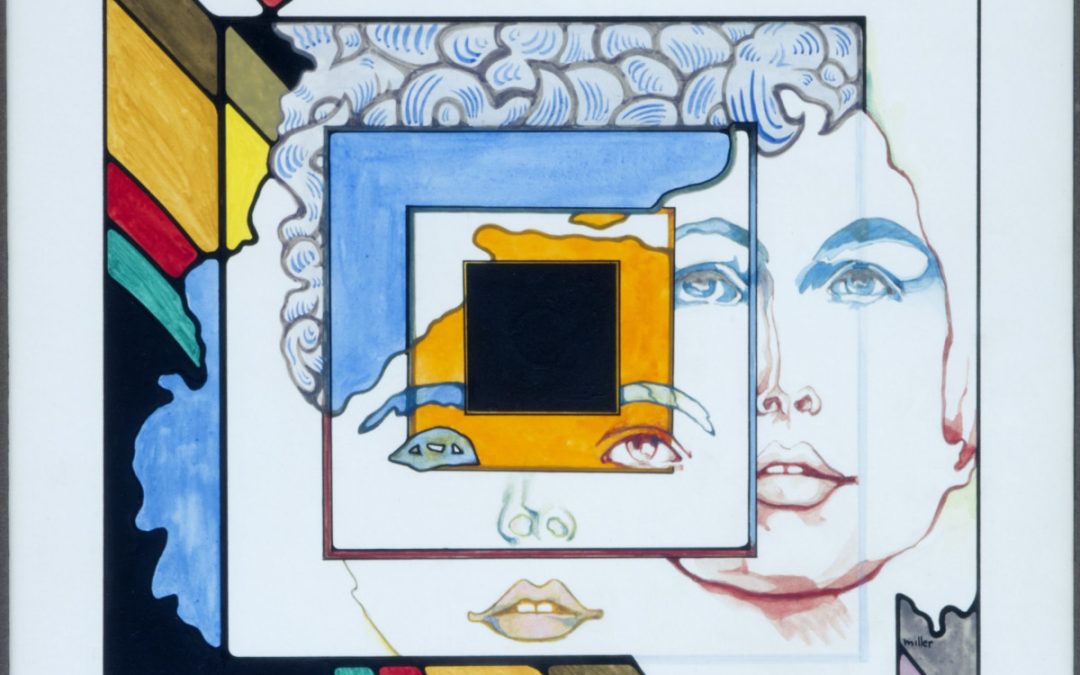
A reflection on our other lives and we all intertwine eventually.
by Hooman Khalili | Dec 7, 2025
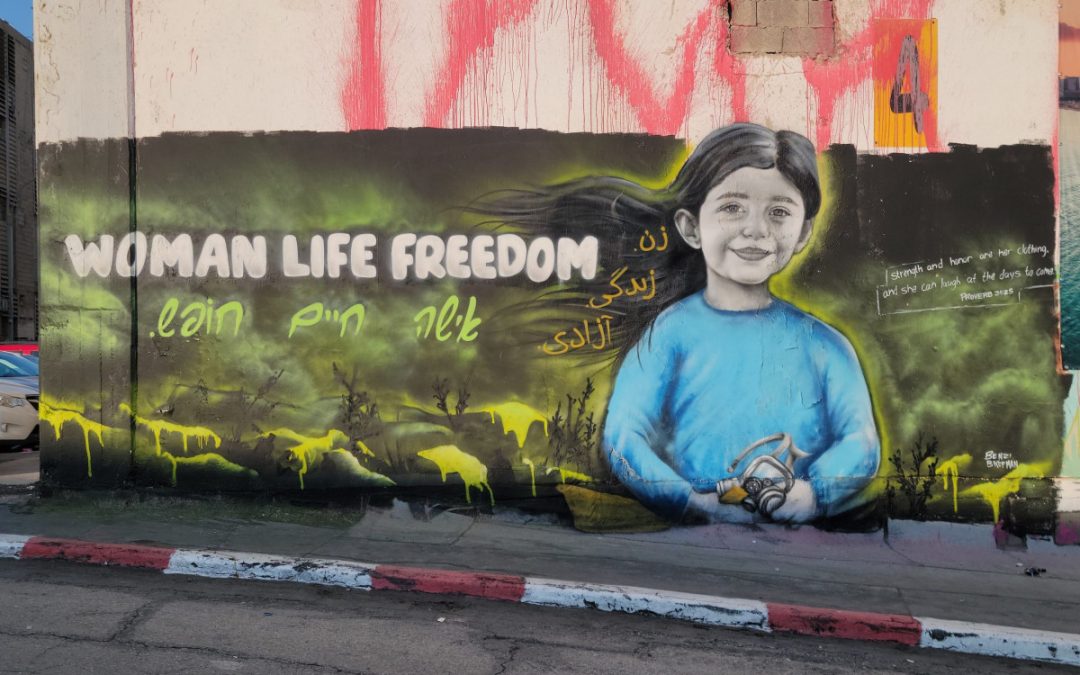
This mural, painted in the Florentine District of Tel Aviv, was created in honor of the schoolgirls of Iran — young Persian girls poisoned by the Islamic Regime simply for going to school without head coverings. In several towns, authorities locked the classroom doors from the outside and pumped poisonous gas through the vents, turning spaces of learning into chambers of fear.
The little girl in the mural represents every one of them. Her soft smile, her small hands clutching a gas mask, and the words “Woman Life Freedom” behind her embody a defiant innocence. Even surrounded by a haze of toxic green, she stands in light. To her right, the verse from Proverbs 31:25 reads: “Strength and honor are her clothing, and she can laugh at the days to come.” That verse captures the unbreakable spirit of Persian women who, even after unimaginable cruelty, choose laughter over despair.
This work transforms tragedy into tenderness — horror into hope. It declares that the spirit of Persian women cannot be suffocated. It rises through art, through faith, and through the next generation. Created in Tel Aviv — a city that knows both conflict and rebirth — the mural bridges two nations who understand that freedom is sacred and that beauty itself can be an act of resistance.
Why this work moved me personally
When I first heard that little girls in Iran were being poisoned in their own classrooms, I felt a pain that no headline could contain. The image of a child, coughing and crying behind locked doors, haunted me. I knew I had to give them back their dignity — to paint one of them smiling. That smile, to me, is everything. It is courage without armor, faith without words.
As I painted her on a wall in Florentine, surrounded by the noise and color of Tel Aviv, I realized that this mural wasn’t just about Iran — it was about every child who deserves to breathe freely, to learn without fear. It became my prayer on a wall, a small act of repair against an ocean of cruelty. Through her smile, the world can see that even when innocence is attacked, hope refuses to die.
by Philip Witte | Dec 7, 2025
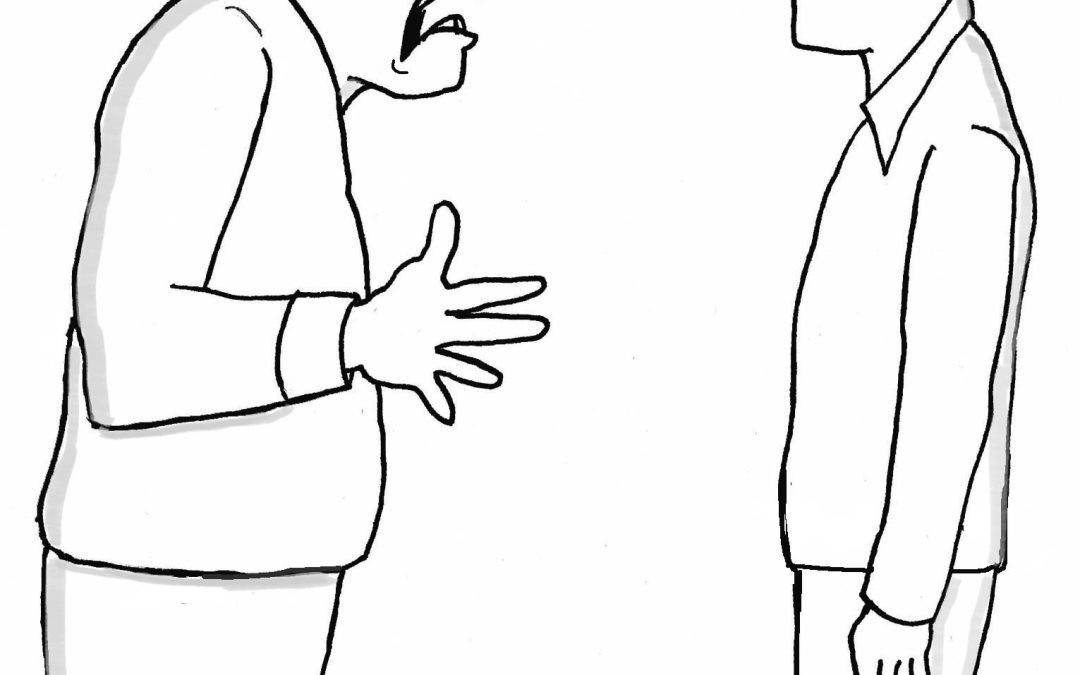
Centrists, or moderates, seem to be a shrinking share of the population, and that’s especially true in the U.S. political scene. My hope is that they won’t be intimidated by loud, angry extremists.